
What Is the Most Expensive Part of a House Renovation?
In most house renovations, the kitchen is often the biggest single cost. But in West London period homes, structural changes, damp, timber repairs and full services upgrades can quickly overtake any one room. This guide explains where renovation budgets really go, so you can plan with more clarity and fewer surprises.
Date
13/03/2026
Read
11 min
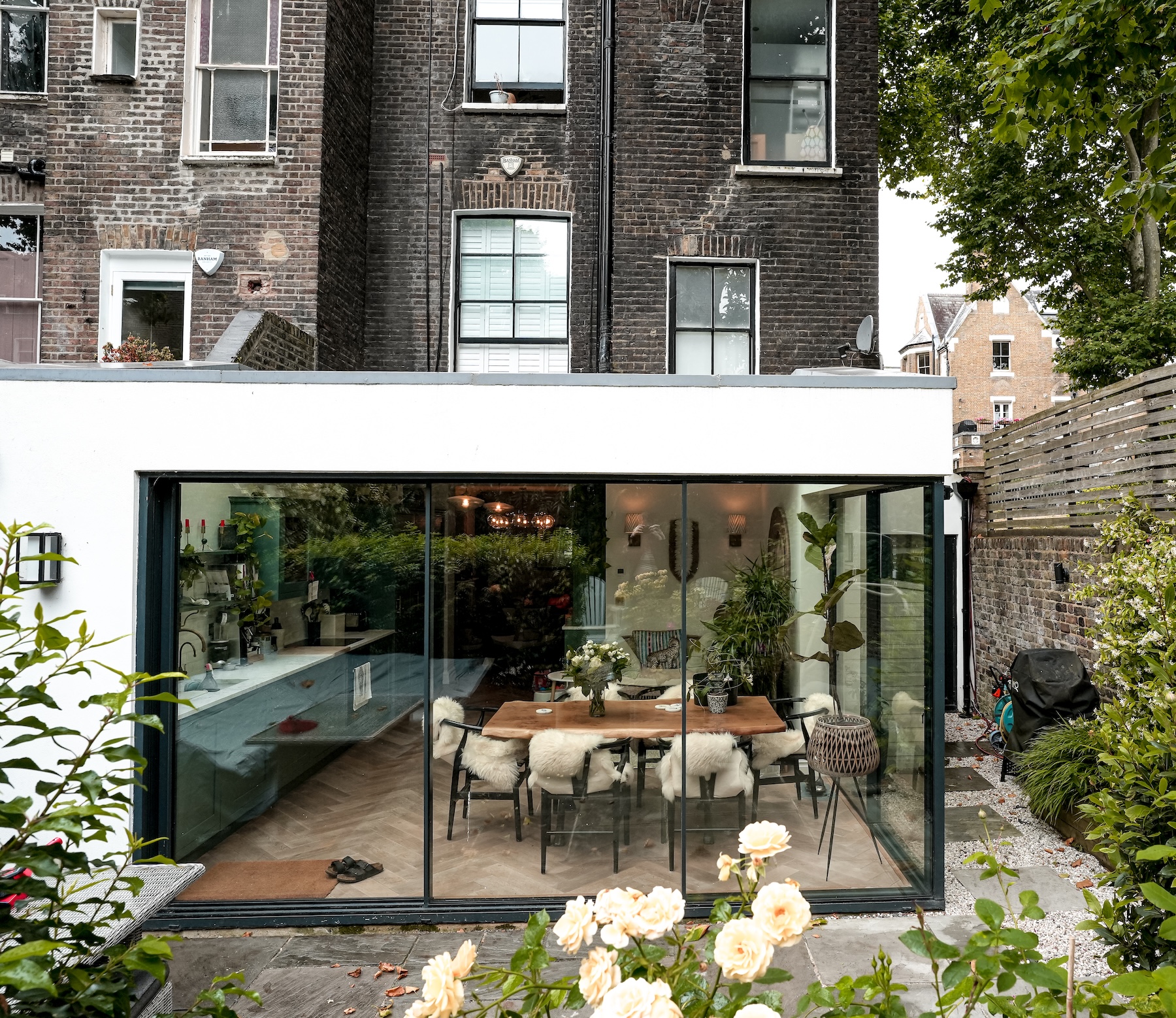
The most expensive part of a home renovation is rarely just one item. It depends on the scope, the condition of the property and the level of finish you are aiming for. In a typical home, the kitchen is often the highest-cost room because it combines cabinetry, services and premium finishes. In period properties across Chelsea, Fulham, Kensington and Notting Hill, hidden issues such as damp, timber repairs and structural alterations can overtake any single room. This guide explains the real cost drivers so you can plan with clarity and avoid budget surprises.
Quick Answer
-
The kitchen is usually the most expensive room to renovate in a typical house
-
Bathrooms are often close behind due to waterproofing, tiling and specialist labour
-
Structural alterations can overtake rooms when layouts change or steels are required
-
Hidden issues in period homes can dominate budgets, especially damp and timber repairs
-
Services upgrades such as electrics, plumbing and heating are common cost multipliers
-
In West London, access and permissions can increase programme costs and overheads
For a structured view of how these elements combine in a full project, see Home Renovation London.
The Short Answer: It Is Usually the Kitchen

Why kitchens cost more than other rooms
Kitchens tend to cost more because they bring together multiple high-cost elements in one space. Cabinetry and joinery are often the biggest line item, particularly when you move beyond standard units. Worktops, appliances, specialist lighting and ventilation add further cost. Kitchens also carry plumbing and electrics similar to a bathroom, plus additional circuits for appliances, upgraded extraction and careful coordination to get levels, tolerances and finishes right. Even modest layout changes can trigger significant service relocation, which increases labour, programme time and the risk of variations.
When the kitchen is not the most expensive item
The kitchen stops being the most expensive part when the project includes major structural works, services upgrades, or building fabric remediation. If you are opening up layouts, inserting steels, strengthening floors, addressing damp, replacing joists or upgrading whole-house electrics and plumbing, those items can exceed the kitchen budget quickly. In older West London properties, remedial works and compliance-led upgrades are often the real cost drivers, even if they are less visible in the finished home.
The Hidden Budget Killers That Can Cost More Than Any Room

Structural alterations and layout changes
Structural works become expensive when you change the way the house functions. Removing or altering load-bearing walls requires engineering input, temporary support, steels and careful sequencing. Floor strengthening, chimney breast modifications and making good across multiple rooms add labour and materials. Structural costs also rise when access is restricted, neighbours are close and party wall matters are involved. In West London, structural changes are often the turning point where a refurbishment becomes a full renovation programme.
Damp, timber decay and building fabric repairs
Damp and timber decay can quietly dominate a budget in Victorian and Edwardian homes. Rising damp, penetrating damp and trapped moisture from incorrect past repairs can lead to plaster failure, salt contamination and compromised timber. Repairs often involve investigation, removal of affected finishes, addressing the moisture source, and reinstating compatible materials. Solid wall properties may require breathable specifications and the correct plaster systems to avoid trapping moisture. If you suspect moisture issues, it is worth reviewing our Damp Proofing service page and planning remedial works early, before final finishes are selected.
Electrical, plumbing and heating upgrades
Services upgrades are one of the most commonly underestimated costs in London renovations. Rewiring may involve a new consumer unit, upgraded circuits, additional lighting zones and modern compliance requirements. Plumbing upgrades can include new pipework runs, improved water pressure solutions and better hot water capacity. Heating plant upgrades, underfloor heating, ventilation strategies and smart controls all add cost, especially when combined with layout changes. The more you move services, the more labour and coordination you add to the programme.
Basement and lower ground works
Basement and lower ground works are in their own category. Moisture management, waterproofing design, drainage channels, ventilation and pump systems must be specified correctly and integrated into the build sequence. Excavation and underpinning, where required, add further complexity and cost. Even without excavation, remedial basement works can be significant because they require controlled detailing and long-term maintainability. If your project involves lower ground space, explore our Basement Conversion service page to understand typical scope and risk factors.
Bathrooms: Small Rooms, High Costs

Why are bathrooms expensive per square metre
Bathrooms are expensive because they concentrate specialist labour and technical detailing into a small area. Waterproofing to wet zones, tiling, specialist plumbing and careful ventilation all require time and precision. Fixtures vary widely in cost, and small changes in specification can change the overall budget quickly. Bathrooms also demand high tolerances, which increases the time spent on preparation and finishing. In high-value West London homes, bathroom expectations are often closer to hospitality standards, which drives up both material and labour cost.
What makes bathroom costs spiral
Bathroom costs usually spiral when the layout changes and services need to move. Relocating soil stacks, changing drainage runs, or adding multiple bathrooms within one programme can increase labour significantly. Bespoke vanity joinery, stone, specialist lighting, underfloor heating and premium fittings also add cost. The most effective way to control bathroom spend is to define the specification early and avoid late-stage design changes once the build is underway.
What Actually Drives Cost in West London Renovations

Period property complexity in Chelsea, Fulham, Kensington and Notting Hill
Many homes in these areas are period properties with solid walls, ageing services and historic alterations. Damp risk is common, floors may be uneven, and timber elements can require repair. Heritage detailing often needs careful reinstatement, and material compatibility matters if you want longevity and performance. These are not reasons to avoid renovation, but they are reasons to plan investigation and sequencing properly.
Access, logistics and working constraints
West London projects often carry access constraints that directly affect cost. Parking suspensions, restricted delivery windows, narrow streets, scaffold management and neighbour sensitivity can all add programme time. Party wall matters may introduce additional professional fees and procedural steps. When programmes extend, overheads rise. Good site management reduces disruption, but it does not remove the underlying reality that logistics are harder in prime London locations.
Finish level and specification expectations
Finish expectations in prime West London are high. Homeowners often want a refined result that is durable, consistent with the building character and executed with precision. This can mean bespoke joinery, quality timber, stone, premium ironmongery, careful glazing solutions and disciplined detailing. A high specification is not just a materials decision. It is also a time decision because premium finishes demand better preparation and more controlled installation.
How to Budget for the Most Expensive Parts Without Cutting Corners
Cost control that does not reduce quality
The best cost control strategy is clarity. Keep the kitchen layout where possible if the budget is tight, because moving services is expensive. Make key decisions early so trades can sequence efficiently. Set realistic allowances for kitchens, bathrooms, joinery, lighting and finishes, and confirm what is included and excluded in the scope. Staged procurement can also help, particularly for long lead-time items that might otherwise delay the programme.
Where value engineering is safe
Value engineering is safe when it simplifies without compromising performance. Examples include simplifying bespoke detailing, reducing unnecessary relocation of services, choosing durable materials that meet the design intent without extreme cost, and phasing non-essential works. In some cases, it is also sensible to focus the budget on structural integrity and core finishes, then add secondary features later once the building is stable and dry.
Where value engineering is risky
Value engineering is risky when it affects building health or compliance. Waterproofing, electrics, damp remediation, structural works and ventilation strategies should not be reduced to meet an arbitrary budget figure. These areas are expensive to fix later, and failures often affect multiple rooms. In period homes, incorrect specifications can create long-term moisture issues that undermine everything that follows.
Example Scenarios: When Each Category Becomes the Biggest Cost

Scenario 1: Mostly cosmetic renovation
If the house is in good condition and the scope is primarily cosmetic, the kitchen often becomes the biggest spend. It is highly visible, it includes many components, and it requires multiple specialist trades. In these projects, cost control is usually about specification, layout stability and early decision making.
Scenario 2: Period home with hidden issues
In a period home with damp, timber decay or salt contamination, remedial works can exceed a kitchen budget. Stripping out affected areas, addressing moisture sources, repairing timber and reinstating compatible finishes takes time and requires discipline. These costs often appear after opening up, which is why investigation and contingency are essential in older properties.
Scenario 3: Structural reconfiguration
If you are reconfiguring layouts, opening up rooms, inserting steels, strengthening floors and moving services, structural works, such as West London house extensions, often become the biggest spend. The cost is not only the steel and labour, but the knock-on effect across plastering, flooring, decoration and programme time. In West London, access and neighbour constraints can amplify this further.
West London Considerations: How We See Costs Shift in Practice

Common cost drivers we see in prime West London postcodes
-
Damp and timber repairs in lower ground or solid wall areas
-
Whole-house services upgrades to meet modern expectations and compliance
-
Access constraints that extend programme time and increase overheads
-
High specification finishes that require more preparation and controlled installation
How to reduce budget surprises in period homes
Start with condition assessment and moisture diagnostics, then define scope before you commit to finishes. Set allowances based on the quality level you want and confirm lead times early. Sequence works so building health issues are resolved before final finishes begin. Carry an appropriate contingency for older properties where hidden issues are more likely. If you are planning a serious project in West London, our Home Renovation London page outlines how we manage structure, sequencing and delivery from start to finish.
FAQs
What is the most expensive part of a house renovation?
In a typical renovation, the kitchen is often the most expensive room because it combines cabinetry, appliances, plumbing, electrics, ventilation and premium finishes. In period homes, the most expensive part can shift to structural works, services upgrades, or remedial repairs such as damp treatment and timber repairs. The answer depends on scope, condition and specification, which is why accurate budgeting starts with investigation and clear planning.
What is the most expensive room in a house to renovate?
The kitchen is usually the most expensive room to renovate in a typical home. It contains more components than most rooms and requires coordination between multiple trades. Bathrooms are often close behind due to waterproofing, tiling, specialist plumbing and high fixture costs. In high-spec projects, bespoke joinery and premium finishes can make both kitchens and bathrooms significant budget items.
Why is the kitchen usually the most expensive room to renovate?
The kitchen is expensive because cabinetry and worktops can be substantial costs, and because the room requires complex services. Plumbing, electrics, specialist lighting, ventilation and appliance circuits all add labour and coordination. Small changes to layout can increase cost quickly because moving services is expensive. A well-planned kitchen with a clear specification is one of the most effective ways to control renovation spending.
Can structural work cost more than a kitchen renovation?
Yes. Structural work can easily cost more than a kitchen renovation when layouts change and load-bearing elements need to be altered. Inserting steels, strengthening floors, modifying chimney breasts and making good across multiple rooms can quickly exceed the cost of a single room. Structural works also tend to extend the programme, which increases overall costs through overheads and logistics.
What hidden issues make renovations expensive in Victorian and Edwardian homes?
Common hidden issues include damp, salt contamination, timber decay, uneven floors, outdated electrics and poor historical alterations. Solid wall construction often requires compatible breathable materials to avoid trapping moisture. Investigations may reveal repairs that are necessary before finishes can be reinstated. Planning and contingency are especially important in West London period homes because these issues can materially change scope and budget.
How can I reduce renovation costs without compromising quality or character?
Reduce costs by controlling scope, keeping layouts stable where possible, and making specification decisions early. Use realistic allowances for kitchens, bathrooms and finishes so budgets stay grounded. Avoid cutting back on building health items such as damp remediation, electrics, waterproofing, ventilation and structural works. In period homes, the most cost-effective approach is often to invest in correct diagnosis and compatible materials so the building performs well over time.
Author: Written by Renis Gjoka, Director of Chelsea & Fulham Builders, a Federation of Master Builders accredited company specialising in high-end renovations, refurbishments, and extensions across London.
Read our next article
In most house renovations, the kitchen is often the biggest single cost. But in West London period homes, structural changes, damp, timber repairs and full services upgrades can quickly overtake any one room. This guide explains where renovation budgets really go, so you can plan with more clarity and fewer surprises.

£50k can go a long way in the right circumstances, but in London it is usually a partial renovation budget, not a full one. This guide explains what £50k can realistically cover, where budgets often fall short, and how to plan wisely before costs start climbing.

Not sure what comes first in a house renovation? This step-by-step guide covers the right sequence, helping you avoid common mistakes, protect finished work and keep your project moving logically from start to finish.

Renovating a Victorian, Edwardian or Georgian home in West London needs a different approach to a modern property. Hidden damp, ageing structure and outdated services can quickly affect cost and timing. This guide explains how to renovate a period home properly while protecting its character.
A practical 2026 guide to London house renovation costs, including realistic budget ranges, cost drivers, and West London period home considerations.
Discover how the right builder can turn complex London sites into profitable, high-quality projects for property developers.
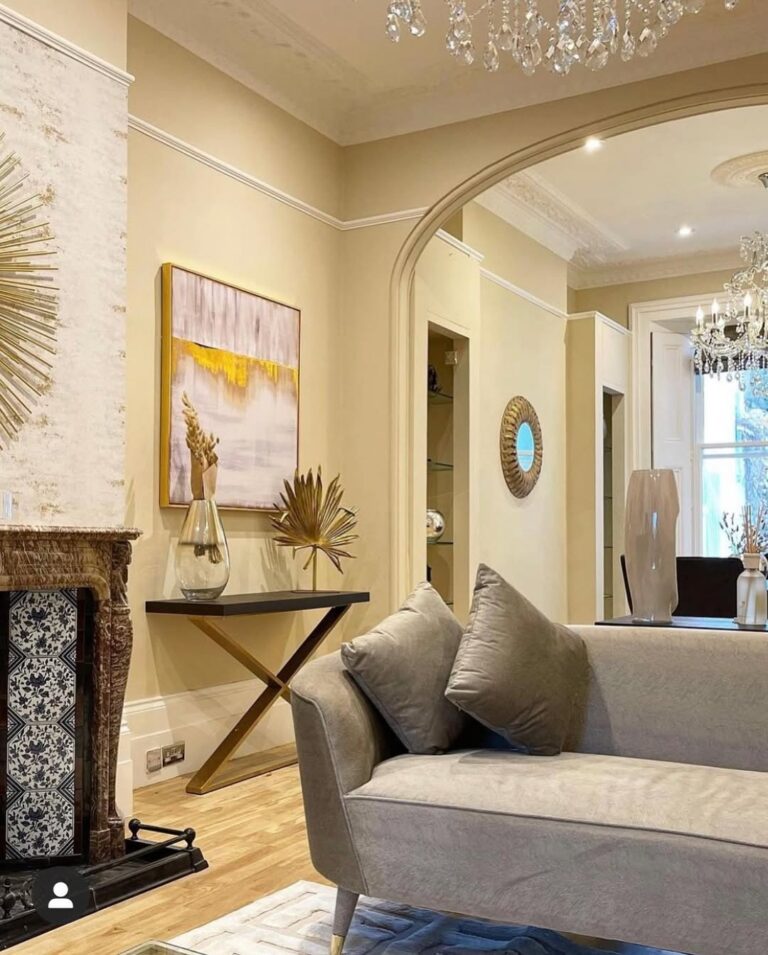
In this guide, Chelsea & Fulham Builders share what every investor should look for in a builder: transparency, technical precision, and an understanding of how design decisions impact long-term ROI.
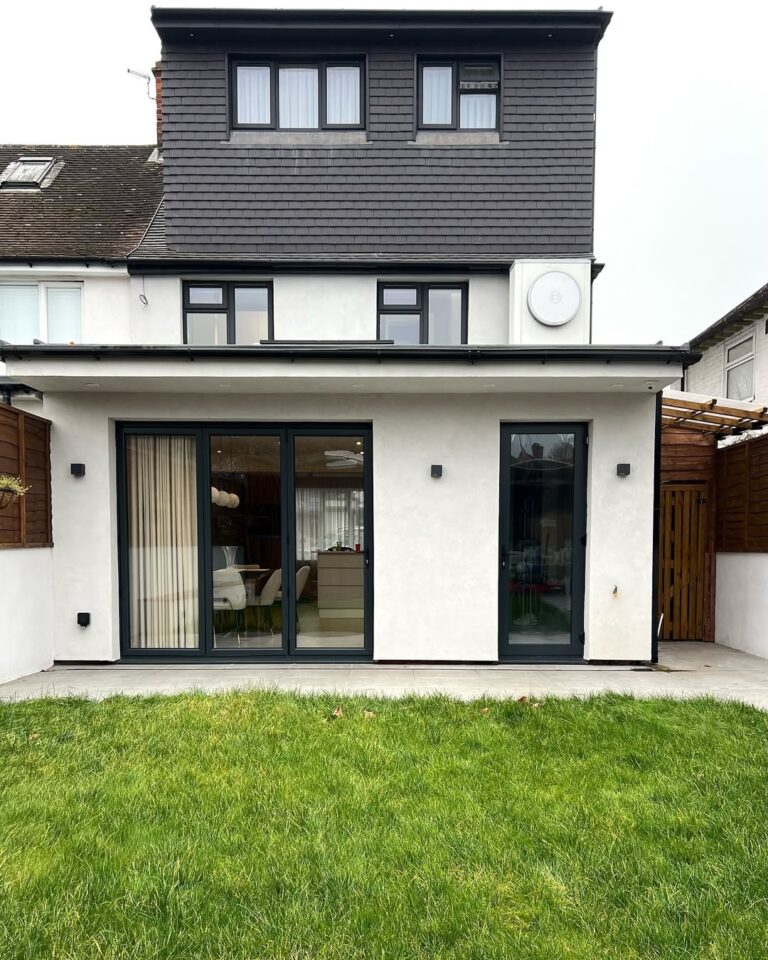
Architects need builders who understand design intent and deliver with precision. Discover what to expect from a trusted builder for architects – from technical accuracy to seamless collaboration.
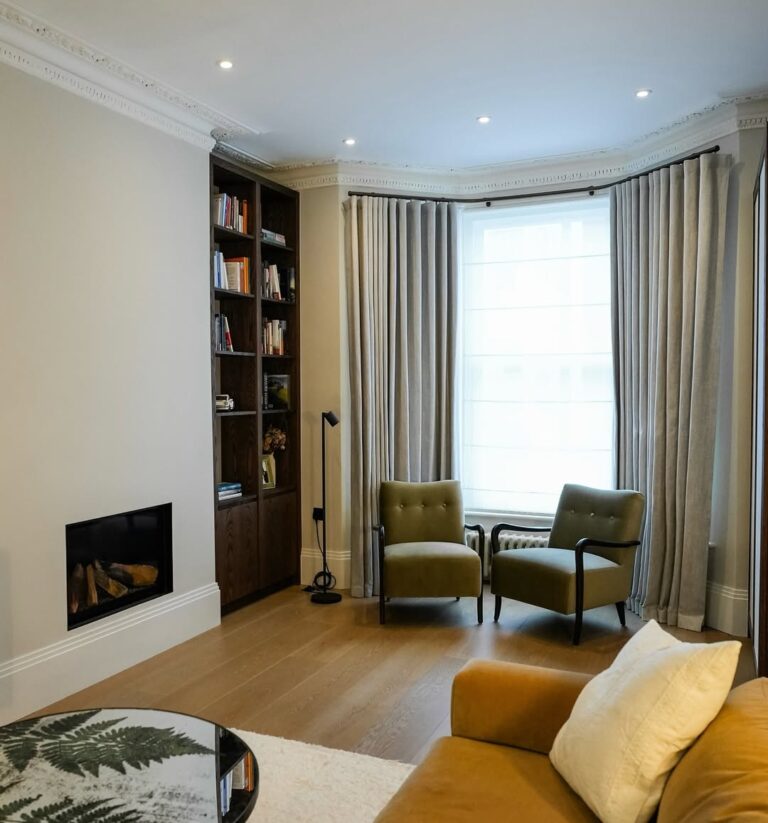
Chelsea & Fulham Builders share insights on what interior designers should expect from a building company and how to build lasting trust.