
Is £50k Enough to Renovate a House in London? (2026 Reality Check)
£50k can go a long way in the right circumstances, but in London it is usually a partial renovation budget, not a full one. This guide explains what £50k can realistically cover, where budgets often fall short, and how to plan wisely before costs start climbing.
Date
13/03/2026
Read
15 min

£50k can go a long way in the right circumstances, but in London it is usually a partial renovation budget, not a full renovation budget. This is especially true in West London, where period homes, apartment buildings and high expectations of finish can add cost quickly. If you are planning a wider renovation or property refurbishment in Kensington, it is important to understand what this budget can realistically cover before work begins.
In these premium West London areas such as Chelsea, Fulham, Kensington and Notting Hill, many homes are Victorian or Edwardian, access can be restricted, and the cost of workmanship, materials and professional coordination is often higher than in simpler projects elsewhere. Services upgrades, damp proofing, timber repairs, structural issues and finish expectations can all turn a budget that looks workable on day one into something more complex once the building is opened up.
This guide explains what £50k can realistically achieve, where it usually falls short, what hidden costs to plan for, and how to structure a renovation budget so the money is spent in the right order.
Quick Answer: Is £50k Enough to Renovate a House in London?
In most cases, £50k is enough for a partial renovation in London, not a full house renovation. It can be a useful budget for cosmetic improvements, selective flooring, decorating, minor repairs, basic lighting upgrades and a modest refresh in a smaller property.
A kitchen or bathroom may be possible within £50k if the scope is tightly controlled, the existing layout stays largely the same and the property is already in sound condition. However, once you add rewiring, replumbing, damp remediation, structural work, multiple wet rooms or higher-end finishes, £50k is unlikely to cover the full project.
As a practical guide:
- In London, £50k is usually a partial renovation budget, not a full renovation budget
- It can suit cosmetic improvements, selective flooring, decorating and modest upgrades
- A new kitchen or bathroom may be possible only with careful scope control
- Period homes often uncover damp, timber repairs and outdated services
- West London projects can cost more because of access, permissions and finish expectations
- The best approach is to define scope, set realistic allowances and prioritise building health first
If you are planning a structured renovation and want a realistic route to specification and costing, start with the Home Renovation London page.
What £50k Can Realistically Achieve in London

Scenario A: Cosmetic Refresh With Light Upgrades
This is where £50k is most predictable. A cosmetic refresh typically includes redecoration, flooring upgrades, minor carpentry, basic lighting improvements and smaller repairs that make a home feel significantly better without disturbing the structure or moving major services.
In a smaller property with sound underlying condition, this can make a real difference. It works best when there are no damp concerns, no major cracks or movement, no urgent services upgrades and no need for extensive replastering, insulation changes or structural alterations.
This route is often suitable if you want to improve a home before moving in, refresh a rental property, or make a property feel cleaner and more complete without opening up major risk. The key is to keep the scope disciplined. Once you start adding hidden remedial work, new layouts or higher-spec joinery, the budget moves into a different category.
Scenario B: One Major Room Plus Cosmetics
£50k can sometimes stretch to one major upgrade, such as a kitchen refresh or bathroom replacement, plus a smaller amount of cosmetic work elsewhere. This is most achievable when you keep the layout stable. Keeping existing plumbing locations, waste routes and appliance positions can make a significant difference to cost.
The moment you begin moving services, opening walls, upgrading electrics or changing layouts, cost and complexity rise quickly. If you choose this route, decide early which room matters most to daily life and resale value, then build a realistic allowance around it.
Kitchens and bathrooms are the areas where specification decisions have the biggest impact on cost. Cabinetry, worktops, appliances, sanitaryware, tiling, lighting, waterproofing and labour all need to be allowed for properly from the start.
Scenario C: Small Property, Controlled Scope
In a small London property with good fundamentals, £50k can feel more substantial. This may apply to a compact maisonette, small terrace, flat or apartment where the services are already in reasonable condition and the aim is improvement rather than full refurbishment.
The key conditions are limited scope, minimal surprises and a stable layout. If there is no significant damp, no major structural issue and no need for full rewiring or replumbing, more of the budget can go towards finishes, decoration, lighting and flooring.
This is also the scenario where careful planning pays off most. A clear scope, sensible allowances and tight sequencing can allow the budget to cover more while still delivering a professional finish.
What £50k Usually Cannot Cover in London

Full Rewiring and Replumbing Plus Finishes
Full services upgrades are often underestimated because they trigger other work around them. A full rewire or replumb can require chasing walls, lifting floors, replacing ceilings in places and then plastering, decorating and making good across multiple rooms. Even if the services work itself seems straightforward, the surrounding finishing work can expand the scope.
If you are planning full services upgrades and a high-quality finish across the whole house, £50k is rarely sufficient in London. In period homes, the combination of access constraints, older fabric, hidden defects and careful detailing often pushes this beyond a modest renovation budget.
Structural Changes and Layout Reconfiguration
Structural changes are a different budget category from cosmetic renovation. Altering load-bearing walls, inserting steel beams, strengthening floors or dealing with chimney breast alterations requires professional input, careful sequencing and coordination across several trades.
These works also create a wider ripple effect. Once the structure changes, electrics, plumbing, plastering, flooring, decorating and sometimes joinery are affected too. If your vision includes open-plan layouts, major reconfiguration or structural strengthening, it is safer to assume that £50k will cover only part of that scope, not the full package plus high-quality finishes.
Multiple Wet Rooms and High-Spec Finishes
Bathrooms are expensive per square metre because waterproofing, tiling, plumbing, ventilation, lighting, sanitaryware and labour are all concentrated into a small space. Multiple bathrooms, premium fittings, stone, specialist lighting and bespoke joinery can quickly absorb a large part of the budget.
The same applies to high-spec kitchens, particularly when cabinetry, worktops and appliances move beyond standard ranges. If your expectation is a high-end look with durable, character-appropriate materials, the allowances need to reflect that level of finish from the beginning. Otherwise, budgets tend to drift when the specification becomes real.
The Hidden Costs That Make Renovation Budgets Drift in Period Homes

Damp and Moisture-Related Repairs
In Victorian and Edwardian homes, damp can be a major driver of cost because it rarely sits in isolation. Rising damp, penetrating damp, salt contamination and trapped moisture from incorrect past repairs can require stripping back finishes, addressing the root cause and reinstating the right plaster system.
In solid-wall construction, breathability and material compatibility matter. A quick cosmetic fix may hide the issue temporarily, but it rarely protects the property long term. If moisture is present or suspected, treat it as a building health issue early in the planning process. It is one of the most common reasons renovation budgets increase after works begin.
Timber Repairs and Subfloor Work
Timber issues often sit underneath the visible finish. Joists, floorboards, subfloor ventilation and hidden decay can be discovered only once floors are lifted or walls are opened. Repairs can involve structural carpentry, treatment, replacement and improved ventilation strategies.
This is not glamorous spending, but it protects the integrity of the building and prevents recurring problems. In a £50k plan, timber repairs are one of the areas that can quietly consume budget because they sit outside many people’s initial wishlist, yet they are difficult to ignore once discovered.
Outdated Services and Piecemeal Past Alterations
Many period homes have been altered over time in a piecemeal way. Old wiring, undersized heating, poor plumbing routes and non-compliant historic changes can drive up cost when you attempt to modernise the home properly.
This is especially true when the goal is a high-quality, long-lasting result rather than a patchwork of repairs. If you are renovating a period home, budget for investigation and expect at least some corrective work. Otherwise, you risk planning a cosmetic renovation that becomes a remedial renovation mid-project.
West London Reality: Chelsea, Fulham, Kensington and Notting Hill

Why Costs Rise in Prime West London Postcodes
In these areas, access and logistics are often as important as the work itself. Narrow streets, restricted deliveries, parking suspensions, neighbour sensitivity, shared entrances, building management rules and party wall matters can all affect programme and cost.
Conservation considerations and listed building constraints can also influence the type of work that is permitted and the materials required. Even where formal planning permission is not needed, coordination and documentation can still affect timings. Programme risk is real. Longer programmes mean higher overheads, and delays often come from approvals, lead times, access constraints and changes made mid-project.
Finish Level Expectations and Durability
Homeowners in Chelsea, Fulham, Kensington and Notting Hill often want a finish that feels calm, precise and durable. That usually means better preparation, higher-grade materials and detail-driven installation. It also means respecting the character of the building, especially in Victorian and Edwardian homes where inappropriate modern materials can look wrong and perform badly over time.
The quickest way to derail a £50k renovation budget is to aim for a high-end look while setting mid-range allowances. If the desired finish is premium, the allowances must reflect it early.
How to Avoid Delays and Variations
The most effective way to control cost is to control scope and sequencing. Start with investigation, then define the scope clearly, then price with realistic allowances. Avoid changing layouts late because relocating plumbing, electrics or structure adds labour and disruption.
Lock key decisions early, especially kitchens, bathrooms, flooring, lighting and joinery. The more unresolved decisions there are during the build, the more likely the programme and budget are to drift.
If you are renovating a period home and want a structured approach that respects the fabric of the building, see the Period Property Renovation page.
How to Plan a £50k Renovation So It Does Not Spiral
Start With Priorities and a Clear Scope
Write down what must be achieved within the budget and what would be nice to have. Be explicit about what is included and excluded. This sounds simple, but it is one of the most important cost-control tools in any renovation. When scope is vague, budgets become elastic.
If you are working with an interior designer or architect, agree early which elements are fixed and which are flexible. A stable scope allows better pricing, better sequencing and fewer surprises once work begins.
Keep Layouts Stable Where Possible
Moving plumbing and electrics is one of the fastest ways to increase cost. Keeping sinks, appliances and bathrooms close to existing service routes reduces labour, makes the programme smoother and lowers risk. The same is true for structural changes. If you do not need them, avoid them.
You can still achieve a refined result without moving everything. In many homes, the most impactful changes are improved finishes, better lighting, improved storage and a coherent specification.
Use Realistic Allowances and Contingency
Allowances are where budgets either stay realistic or drift. Kitchens, bathrooms, flooring, lighting, plastering, joinery and decorating should all have sensible figures attached. Even if you are not choosing every detail at the start, the allowances should reflect the quality level you want.
Contingency is also essential, especially in period properties. Hidden issues are common, and without contingency the only way to respond is to cut scope late or compromise quality.
Phase the Work Intelligently
Phasing is often the most sensible strategy when £50k is tight. Prioritise building health first, then services, then finishes. For example, address damp and timber issues, then upgrade essential electrics and heating, then finish rooms one by one.
The key is to phase intelligently so you avoid rework. Doing finishes before solving damp, timber or service issues is a common mistake and an expensive one.
What to Do If £50k Is Not Enough

Option 1: Phase the Renovation Intelligently
If the full vision requires more than £50k, consider splitting the project into phases. Start with investigation and remedial works, then essential services upgrades, then kitchens and bathrooms, then decoration and joinery. This protects quality and reduces the risk of paying twice for the same area.
Option 2: Reduce Scope but Protect Quality
Value engineering can be sensible if it simplifies the project without compromising performance. Keeping layouts stable, reducing bespoke detailing and choosing durable mid-range finishes can all help.
It is risky to reduce spend on damp remediation, electrics, ventilation, waterproofing and structural works. Those areas tend to cost more when corrected later.
Option 3: Reassess the Target Specification
A “high-end look” can mean many things. In West London, it usually implies excellent preparation, thoughtful materials and a coherent finish. It does not always require the most expensive fixtures, but it does require consistency and discipline.
If the budget is fixed, align the specification with what the budget can realistically carry rather than setting expectations that force upgrades later.
For a structured approach to scope, sequencing and specification, start with Home Renovation London.

FAQs
Is £50k enough to renovate a house in London?
In most cases, £50k is enough for a partial renovation in London rather than a full renovation. It can cover cosmetic improvements and targeted upgrades, especially in smaller properties with good fundamentals. Once you add services upgrades, damp remediation, structural work, layout changes or premium finishes, £50k is usually stretched. The safest approach is a clear scope, realistic allowances and a contingency for period property surprises.
How much renovation can you do with £50k in London?
With £50k, you can often achieve a strong cosmetic refresh, new flooring, redecorating, selective lighting upgrades and minor joinery. A kitchen or bathroom refresh may be possible if you keep the layout stable and control specification. The more your project involves moving services, repairing building fabric, upgrading electrics or changing structure, the less £50k will cover.
Can you renovate a house with £40k in the UK, and what about London?
In many parts of the UK, £40k can go further, particularly for smaller properties or where labour costs are lower. In London, £40k is typically a targeted refresh budget rather than a full renovation budget, especially for period homes renovation. It may still be worthwhile if scope is controlled and the property condition is sound, but it is rarely enough for a full upgrade of services, layout and finishes.
Is £50k enough to renovate a house in the UK?
It depends on location, property size, condition and scope. £50k can be meaningful in the UK for a focused renovation, particularly if structural works are limited and the home is in reasonable condition. In London, higher labour costs, logistics and period property conditions often reduce what the budget can cover.
How much does it cost to renovate a house in London in 2026?
Costs vary widely, but full renovations in London often extend well beyond £50k once you include services upgrades, structural work, kitchens, bathrooms and high-quality finishes. The right way to estimate is to define scope, investigate condition and price to a clear specification with realistic allowances. Period homes in West London commonly require additional budget for damp, timber and corrective work.
What should I prioritise first if I only have £50k for a renovation?
Prioritise building health and risk reduction first. Address damp, leaks, timber issues and any urgent services defects before spending heavily on visible finishes. Then allocate the remaining budget to the most impactful improvements, such as flooring, decoration, lighting and practical storage. Keep layouts stable where possible, set realistic allowances and phase anything that would trigger major service relocation or structural work.
What are the biggest hidden costs in a house renovation?
The biggest hidden renovation costs are usually damp, timber repairs, outdated electrics, plumbing problems, structural issues, poor previous alterations and the making-good work required after services are upgraded. In period homes, these issues often become visible only once walls, floors or ceilings are opened up. This is why early investigation and contingency are essential.
How can I keep renovation costs under control?
The best way to keep renovation costs under control is to define the scope clearly, keep layouts stable where possible, investigate the property early, use realistic allowances and avoid late changes. Prioritise building health before cosmetic improvements, and make key decisions on kitchens, bathrooms, lighting, flooring and joinery before the build begins. A well-planned project is far less likely to suffer from budget drift.
Author: Written by Renis Gjoka, Director of Chelsea & Fulham Builders, a Federation of Master Builders accredited company specialising in high-end renovations, refurbishments, and extensions across London.
Read our next article
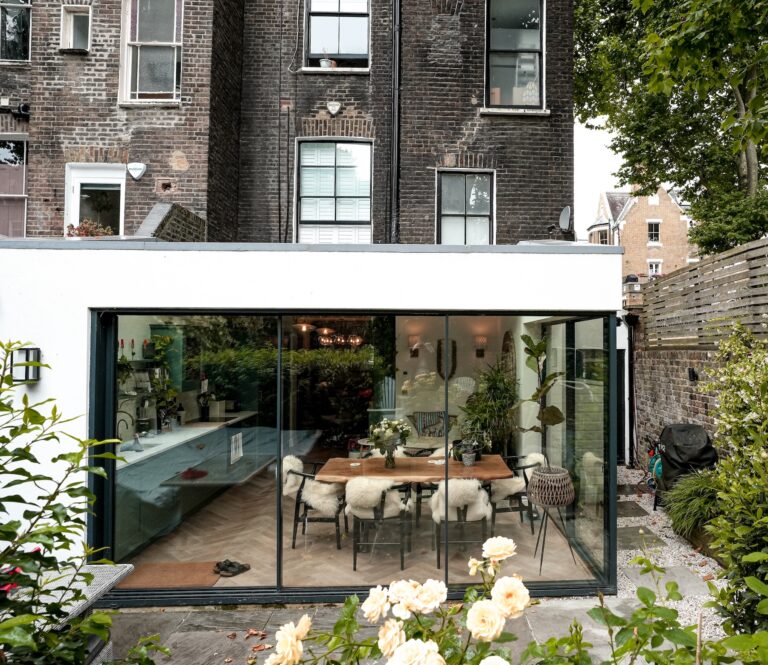
In most house renovations, the kitchen is often the biggest single cost. But in West London period homes, structural changes, damp, timber repairs and full services upgrades can quickly overtake any one room. This guide explains where renovation budgets really go, so you can plan with more clarity and fewer surprises.

£50k can go a long way in the right circumstances, but in London it is usually a partial renovation budget, not a full one. This guide explains what £50k can realistically cover, where budgets often fall short, and how to plan wisely before costs start climbing.

Not sure what comes first in a house renovation? This step-by-step guide covers the right sequence, helping you avoid common mistakes, protect finished work and keep your project moving logically from start to finish.

Renovating a Victorian, Edwardian or Georgian home in West London needs a different approach to a modern property. Hidden damp, ageing structure and outdated services can quickly affect cost and timing. This guide explains how to renovate a period home properly while protecting its character.
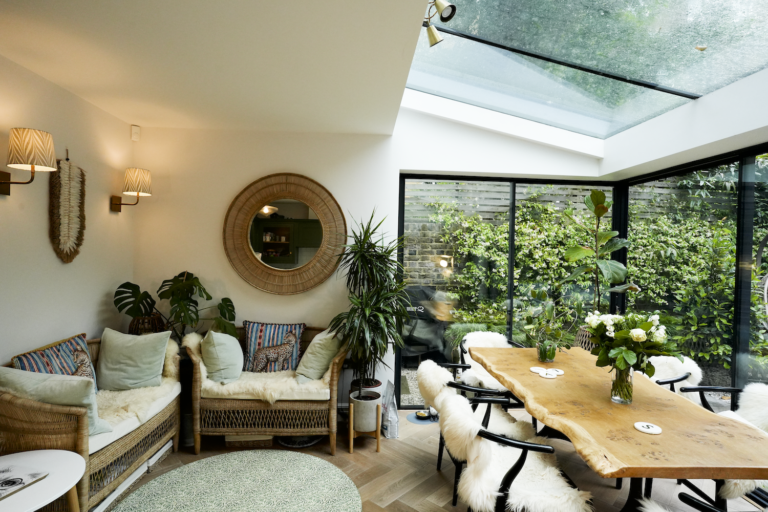
A practical 2026 guide to London house renovation costs, including realistic budget ranges, cost drivers, and West London period home considerations.
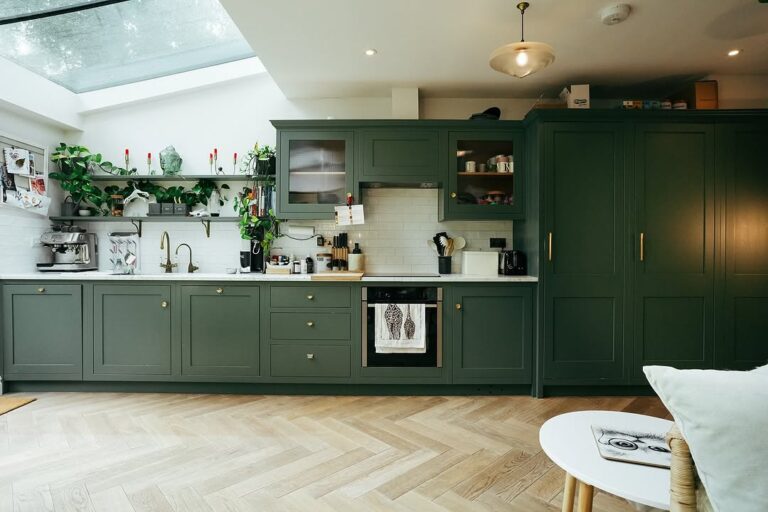
Discover how the right builder can turn complex London sites into profitable, high-quality projects for property developers.

In this guide, Chelsea & Fulham Builders share what every investor should look for in a builder: transparency, technical precision, and an understanding of how design decisions impact long-term ROI.
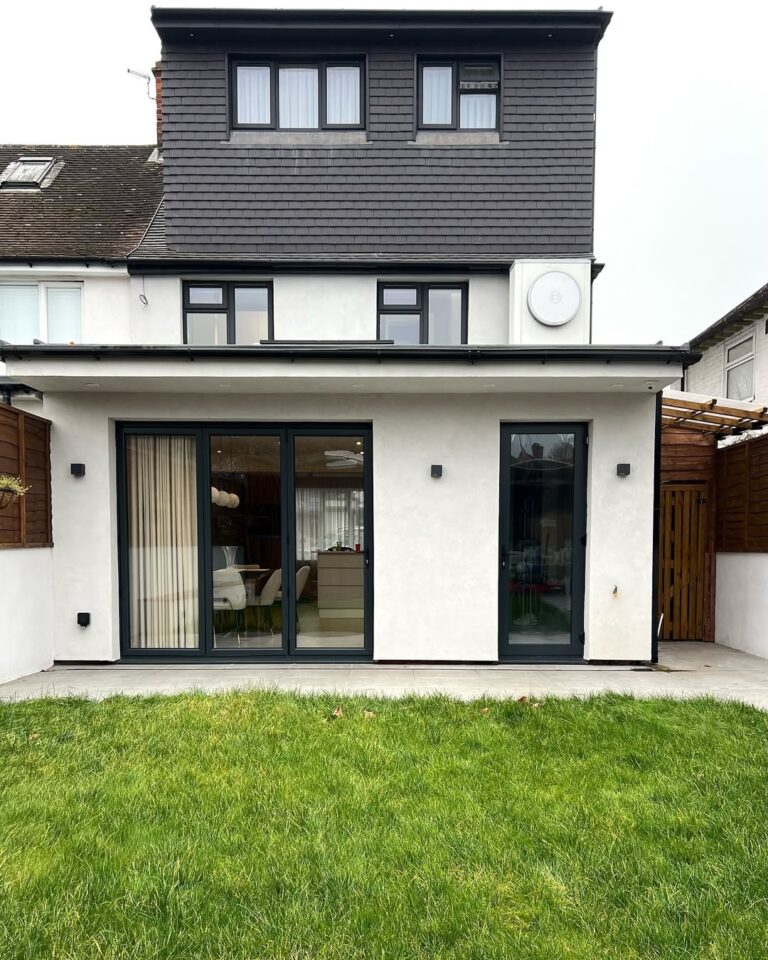
Architects need builders who understand design intent and deliver with precision. Discover what to expect from a trusted builder for architects – from technical accuracy to seamless collaboration.
Chelsea & Fulham Builders share insights on what interior designers should expect from a building company and how to build lasting trust.