
How to Renovate a Period Home (Victorian, Edwardian and Georgian Renovation Guide)
Renovating a Victorian, Edwardian or Georgian home in West London needs a different approach to a modern property. Hidden damp, ageing structure and outdated services can quickly affect cost and timing. This guide explains how to renovate a period home properly while protecting its character.
Date
13/03/2026
Read
13 min
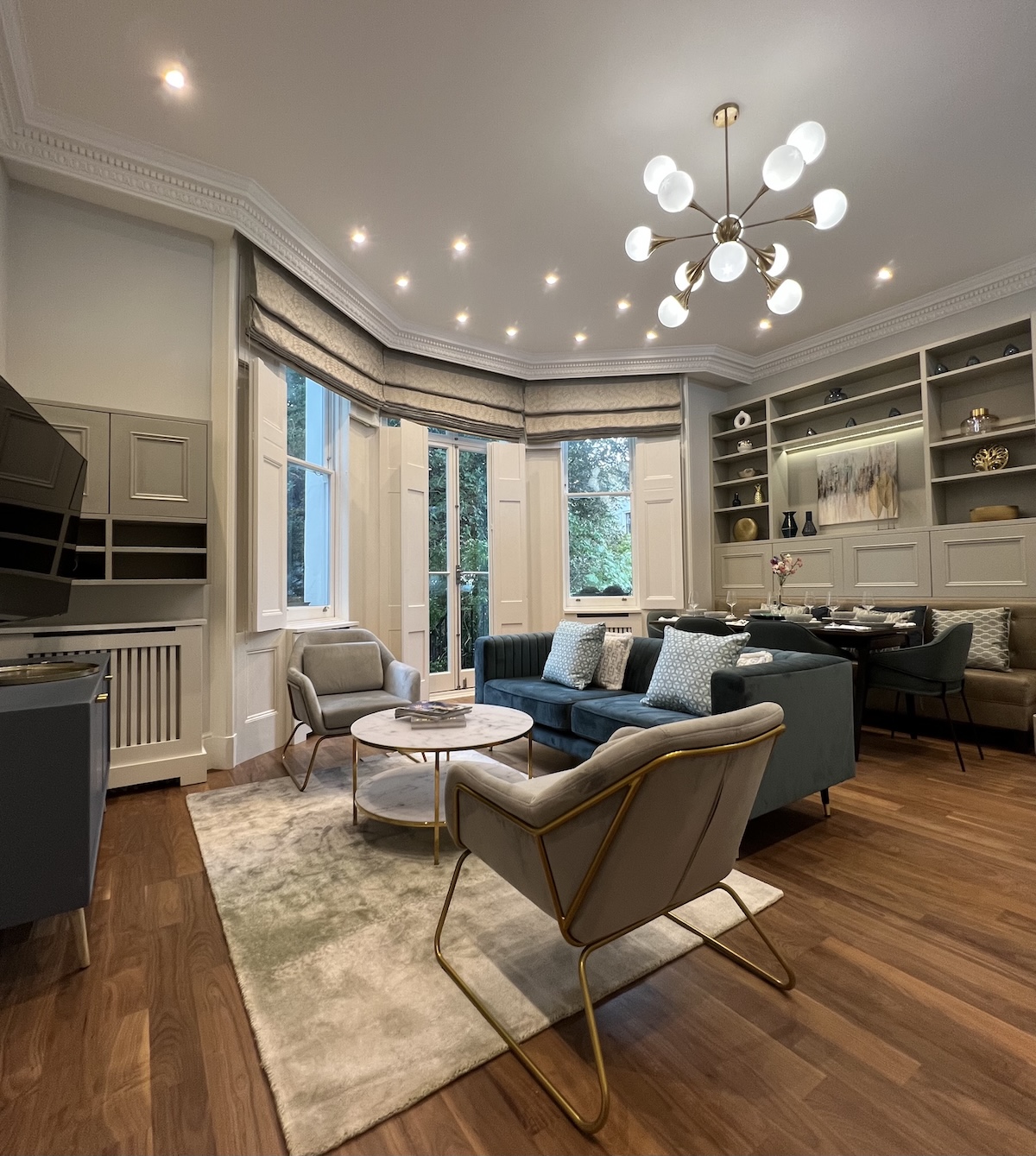
Renovating a period home in London can be hugely rewarding, but the order of decisions matters. Victorian, Edwardian and Georgian properties often hide layers of historic alterations, quick fixes, damp, structural movement and outdated services. If you treat it like a modern renovation, budgets drift and finishes fail. The goal is a home that feels calm and contemporary to live in, while respecting original fabric and improving long-term performance. This guide sets out a practical, step-by-step approach for Chelsea, Fulham, Kensington and Notting Hill, where access constraints, permissions and high expectations for workmanship are part of the reality.
Quick Answer
-
Start with a condition-led survey and a clear scope before design details
-
Prioritise building health first: damp, timber, structure and roof integrity
-
Plan permissions early, especially conservation areas and listed buildings
-
Upgrade services and insulation carefully so the building can still manage moisture
-
Restore and reinstate original features where possible, then add modern comfort
-
Use breathable materials where required and avoid sealing old walls incorrectly
-
Sequence works to prevent rework: structure, services, plaster, joinery, finishes
-
Build contingency for unknowns in homes that have seen 100+ years of alterations
For a structured approach to delivery in West London, see Home Renovation London.
What Makes a Home a “Period Property” and Why Renovation Is Different

Victorian, Edwardian and Georgian: what typically differs
Period property is a broad label, but the era matters because the construction methods and common weak points differ.
Victorian homes often include terraces and townhouses with solid walls, timber floors, and later extensions or conversions that may have been done inconsistently. Edwardian homes are frequently a little wider, often with different layouts and larger rooms, but still commonly have ageing services and timber elements that need attention. Georgian homes can include more formal proportions and older fabric, and they often sit within tighter planning constraints or heritage sensitivity.
Across all eras, the bigger risk is not the original build. It is what has happened over 100+ years. Layers of repairs, modern materials used in the wrong place, and partial upgrades can create hidden problems that only become visible after opening up.
The goal: modern comfort without stripping character
Modernising a period home is not about turning it into a new-build. It is about improving comfort, performance and layout while keeping what makes the property valuable. The most successful renovations do three things at once:
-
Correct building health issues so the fabric stays stable and dry.
-
Upgrade services and comfort in a way that works with the building.
-
Keep the proportions and detailing that make the home feel right.
This is why the process matters. If you rush to finishes before the building is stable, you end up paying twice.
Step 1: Survey, Diagnosis and Scope (Before You Design)

Condition survey and opening up
Start with a proper condition-led assessment. Beyond a standard survey, period property renovations in London benefit from targeted investigation. That can include carefully opening up areas where issues are likely.
Early checks should include:
-
Signs of damp and moisture sources, not just symptoms
-
Joists, subfloor ventilation and timber condition
-
Roof integrity, gutters, downpipes and external drainage
-
Cracks and movement patterns, including previous structural work
-
Ventilation routes, condensation risk, and bathroom and kitchen extraction
-
Drainage condition where lower ground or garden works are planned
The point is to reduce unknowns before you spend money on design and finishes.
Budget and contingency planning
Period homes need a realistic risk allowance. Not because something will definitely go wrong, but because unknowns are common, especially where previous works were poorly executed.
A sensible approach is:
-
Build your budget around a clear scope
-
Set allowances early for kitchens, bathrooms, joinery, lighting and finishes
-
Keep contingency as a deliberate line item, not as an afterthought
Contingency is not a licence to overspend. It is what prevents quality compromises when you uncover an unavoidable issue.
When you may need specialist input
A period renovation often needs specialist input earlier than people expect:
-
Structural engineer, if you are changing layouts or opening up rooms
-
Damp specialist, if you see recurring moisture, failed plaster, or musty lower ground spaces
-
Heritage consultant, if the building is listed or in a sensitive conservation context
-
Building control approach, so compliance is integrated into the programme
Professional input early is usually cheaper than redesign later.
Step 2: Permissions, Constraints and Programme Planning

Conservation areas and listed buildings
In West London, conservation areas are common, and listed buildings are not unusual. Consent triggers vary, but changes to external appearance, windows, doors, rooflines, and certain internal features can require careful handling.
This affects timeline because:
-
Design may need to respond to planning feedback
-
Lead times increase because materials and methods may be specific
-
You may need more documentation and coordination
If permissions are required, plan them as part of the programme, not as a parallel afterthought.
Party walls and shared structures
Terraces and semis dominate in Chelsea, Fulham, Kensington and Notting Hill. Party wall matters can affect sequencing, especially for structural work, basements, and works close to shared boundaries.
The key practical point is simple. Start the process early. If you wait, it can delay the build even when you are ready to start.
Access and logistics
Access is a cost driver in West London. Restricted streets, parking suspensions, deliveries, waste removal and neighbour management all affect programme and overheads.
Logistics planning should cover:
-
Delivery routes and storage
-
Skip permits and waste strategy
-
Working hours and noise constraints
-
How materials are brought in without damaging communal areas
Well-planned logistics protect programme and relationships with neighbours.
Step 3: Building Health Comes First

Damp and moisture management
Damp is common in period homes, but it is often misdiagnosed. Rising damp, condensation and penetrating damp can look similar. The fix depends on the cause.
A controlled approach focuses on:
-
Identifying moisture source
-
Correcting external defects first where possible
-
Specifying internal systems compatible with the building fabric
If you need a deeper view of diagnosis and remedial options, see our Damp Proofing page.
Timber and subfloor issues
Timber floors and joists can be strong, but they rely on good ventilation and dry conditions. Common issues include rot near external walls, poor airflow under floors, and localised decay around bathrooms and kitchens.
This stage is where you address:
-
Joist repairs and strengthening
-
Subfloor ventilation improvements
-
Levelling and structural floor corrections, where needed
Fixing timber issues after finishes go in is expensive and disruptive.
Roof, gutters and external water ingress
Make the building watertight before investing in interiors. Roof defects, failed gutters, and poor drainage can undo internal work quickly.
The external envelope is not the glamorous part of a renovation, but it protects the investment and stabilises internal conditions.
Step 4: Structural and Layout Works
Structural changes and steels
If you want open-plan layouts, larger kitchen spaces, or reconfigured circulation, structural work is usually required. That can include removing load-bearing walls, inserting steels, strengthening floors, or correcting previous alterations.
Structural sequencing matters:
-
Strip out and open up first
-
Complete structural alterations and make good
-
Only then move into services and plaster
This reduces rework and improves programme stability.
Extending a period home without compromising proportions
Rear extensions, side returns and loft conversions can work beautifully in period properties when they respect the original house. Problems arise when the extension fights the proportions or introduces poor junction detailing.
A good design and build approach focuses on:
-
Clean junctions between old and new fabric
-
Materials that sit comfortably with the original building
-
Programme sequencing that protects retained features
The goal is that the extension feels intentional, not forced.
Lower ground and basement risk
Lower ground spaces can add valuable square footage, but they introduce moisture control and ventilation complexity. Waterproofing design, drainage strategy and maintainability all matter. A poorly specified solution can create ongoing problems.
If your project includes lower ground works, see our Basement Conversion page, and Basement Waterproofing page.
Step 5: Services Upgrades That Respect Old Buildings

Electrics and lighting planning
Many period homes have outdated electrics, insufficient circuits, or piecemeal upgrades. A proper plan should include:
-
Lighting strategy by room, including feature lighting
-
Socket and power requirements based on how you live
-
Compliance, certification and future-proofing
The key is to plan early so first fix is clean and efficient.
Plumbing, heating and hot water
Modern comfort requires correctly sized systems. Many older homes suffer from poor hot water capacity, inconsistent pressure, or heating systems designed around an older way of living.
Key considerations include:
-
Boiler or heat pump strategy
-
Radiators versus underfloor heating where appropriate
-
Hot water storage and distribution
-
Pipework routing that avoids unnecessary disruption
Ventilation strategy
Ventilation is central to performance in period homes, especially where you are improving airtightness. Bathrooms and kitchens need proper extraction, and lower ground spaces often need additional thought to manage humidity.
Poor ventilation is one of the most common reasons condensation and mould appear after an otherwise high-quality renovation.
Step 6: Insulation, Plaster and Breathability
Why breathable finishes matter in solid wall homes
Solid wall period homes manage moisture differently from modern cavity wall construction. Over-sealing walls with inappropriate modern systems can trap moisture and cause long-term damage.
Breathable approaches are not a style choice. They are a performance choice when the building fabric requires it.
Plaster strategy: repair, reinstate, upgrade
Plaster is often where period renovations go wrong. The wrong plaster system can crack, trap salts, or fail in damp-prone areas.
A sensible strategy considers:
-
Patch repairs where the substrate is sound
-
Full re-plastering where failure is widespread
-
Correct preparation, drying time and specification
Windows and draught proofing
Original windows can often be repaired and draught-proofed, and secondary glazing can be a strong option in sensitive contexts. Full replacement may be appropriate in some cases, but it needs to align with permissions and the character of the property.
The goal is improved comfort without creating condensation or damaging the building fabric.
Step 7: Restoring Period Features (The Details That Make It Feel Right)

Cornices, ceiling roses and mouldings
These features are part of what gives period homes their identity. Protect them during strip out and structural works, then reinstate or repair after first fix and plastering.
Planning the reinstatement early avoids expensive reactive work later.
Joinery, doors and ironmongery
Joinery proportions matter. Many period homes have been compromised by poorly scaled doors, incorrect architraves, or generic ironmongery choices.
A controlled approach includes:
-
Correct profiles and proportions
-
Consistency across the home
-
Durable, character-appropriate materials
Fireplaces and focal points
Fireplaces often anchor period rooms, even if they are no longer used as working fires. Restoration, safety, ventilation and compliance should be addressed early, particularly if you are changing room layouts.
Step 8: Finishes, Kitchens and Bathrooms (Modern Comfort, Period Sensibility)
Kitchen design in period homes
The kitchen often becomes the heart of the home, but it needs to work with period proportions. Good results come from:
-
Layouts that respect circulation and sightlines
-
Durable cabinetry and worktops
-
Lighting that feels layered rather than clinical
-
Joinery and detailing that feels intentional
If budget matters, keeping plumbing and layout stable can significantly reduce cost without compromising quality.
Bathrooms and waterproofing
Bathrooms in period homes require careful detailing. Waterproofing, ventilation, and correct substrate preparation are essential for longevity. A realistic approach also includes allowing time for proper drying and careful installation.
Flooring and decoration
Finish sequencing matters:
-
Decorate before final flooring where possible
-
Protect finished joinery during remaining works
-
Keep sensitive floor finishes until heavy works are complete
This reduces snagging and protects the final outcome.
West London Considerations (Chelsea, Fulham, Kensington, Notting Hill)
Typical property types and constraints
These areas include terraces, townhouses, conversions and shared structures. Narrow access is common, and neighbour sensitivity is a real factor. Lower ground spaces and garden flats often bring additional moisture risk and logistics complexity.
What “high finish” means in practice
A high finish is not just expensive materials. It is disciplined preparation, precise installation, and details that last. In West London, homeowners often want:
-
Durable materials with longevity
-
Joinery that feels bespoke and calm
-
Character-appropriate details
-
Clean, well-managed sites and professional communication
Quality is as much about process as it is about product.
How to avoid delays and budget drift
The consistent way to protect budget and programme is:
-
Scope clarity before you start
-
Early investigation to reduce unknowns
-
Realistic allowances for kitchens, bathrooms and joinery
-
Lead time planning for long-order items
-
Sequencing that puts building health before finishes
If you are planning a serious renovation in West London, see our Home Renovation London page for a structured delivery approach.
FAQs
How do you renovate a period home without losing character?
Start by identifying which original elements define the home, such as proportions, cornicing, fireplaces, joinery and floor details. Protect or reinstate these features, then modernise around them through better services, insulation strategies that suit the building, and a disciplined finish specification. The best results come from respecting the fabric first, then adding modern comfort.
What is involved in period home restoration?
Period home restoration typically includes condition assessment, correction of building health issues, structural repairs where required, services upgrades, and careful reinstatement of features. It often involves stripping back areas to expose the true condition, then rebuilding with compatible materials. Restoration is usually as much about correcting past repairs as it is about improving the home.
Are Victorian houses prone to damp and how do you fix it properly?
Victorian houses can be prone to damp, especially where external drainage is poor, ventilation is limited, or past repairs have trapped moisture. Correct fixing starts with diagnosing the cause, then addressing external defects, ventilation, and the appropriate internal specification. Cosmetic fixes alone often fail. If damp is a concern, include an early investigation and see our Damp Proofing page.
What are the common problems with Georgian homes?
Georgian homes often have sensitive proportions and older building fabric that can be less forgiving of modern materials used incorrectly. Common issues include movement, moisture management, older services, and historic alterations that have compromised performance. Permissions and heritage constraints are also more likely, so planning and specification need to be handled carefully.
What are the common problems in Edwardian houses, and how do you address them?
Edwardian houses can still suffer from damp, ageing services, timber issues and historic alterations, but they often have different layouts and structural details compared to Victorian stock. Addressing issues starts with condition-led investigation, correcting moisture sources, upgrading services with a clear plan, and sequencing work so structural and building health items are resolved before finishes.
How much does it cost to renovate a Victorian house in London?
Costs vary widely depending on size, condition, structural changes, services upgrades and specification. Victorian homes in West London often require additional allowance for damp remediation, timber repairs and careful reinstatement of features. The most reliable way to establish cost is to confirm scope, investigate condition, set realistic allowances, and price to a clear specification.
Author: Written by Renis Gjoka, Director of Chelsea & Fulham Builders, a TrustMark and Federation of Master Builders accredited company specialising in high-end renovations, refurbishments, and extensions across London.
Read our next article
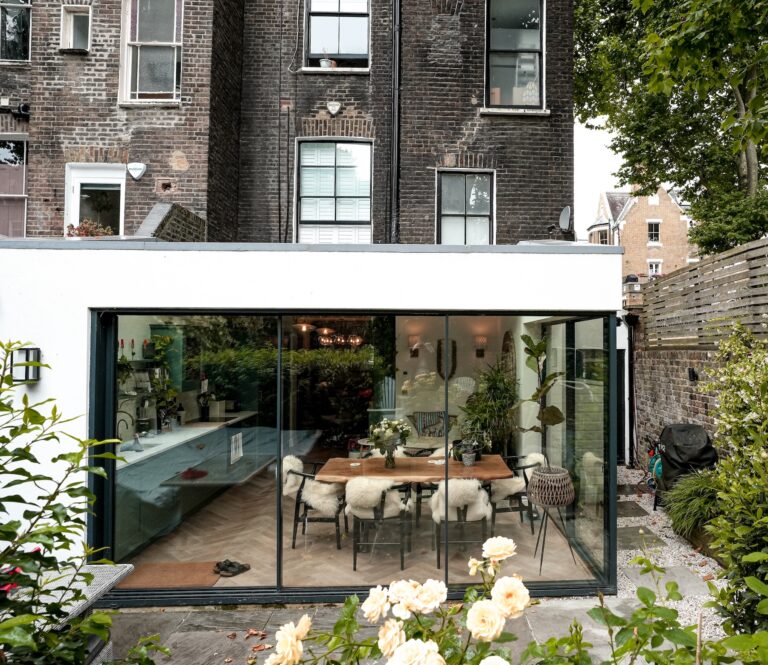
In most house renovations, the kitchen is often the biggest single cost. But in West London period homes, structural changes, damp, timber repairs and full services upgrades can quickly overtake any one room. This guide explains where renovation budgets really go, so you can plan with more clarity and fewer surprises.

£50k can go a long way in the right circumstances, but in London it is usually a partial renovation budget, not a full one. This guide explains what £50k can realistically cover, where budgets often fall short, and how to plan wisely before costs start climbing.

Not sure what comes first in a house renovation? This step-by-step guide covers the right sequence, helping you avoid common mistakes, protect finished work and keep your project moving logically from start to finish.

Renovating a Victorian, Edwardian or Georgian home in West London needs a different approach to a modern property. Hidden damp, ageing structure and outdated services can quickly affect cost and timing. This guide explains how to renovate a period home properly while protecting its character.
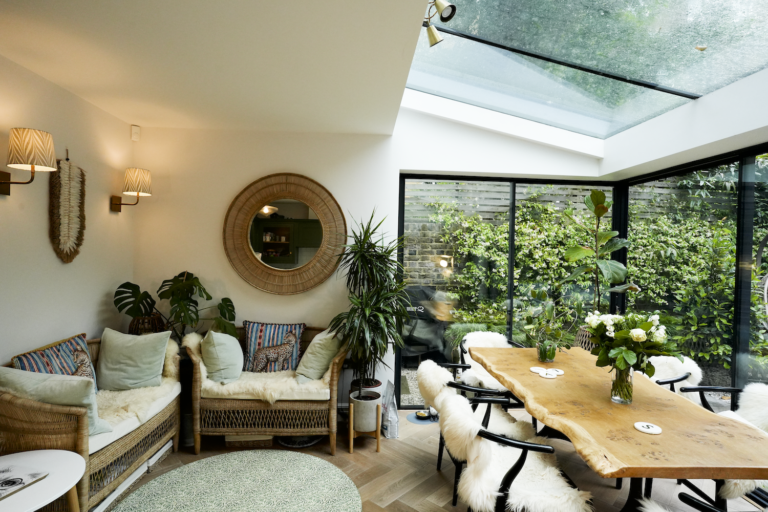
A practical 2026 guide to London house renovation costs, including realistic budget ranges, cost drivers, and West London period home considerations.
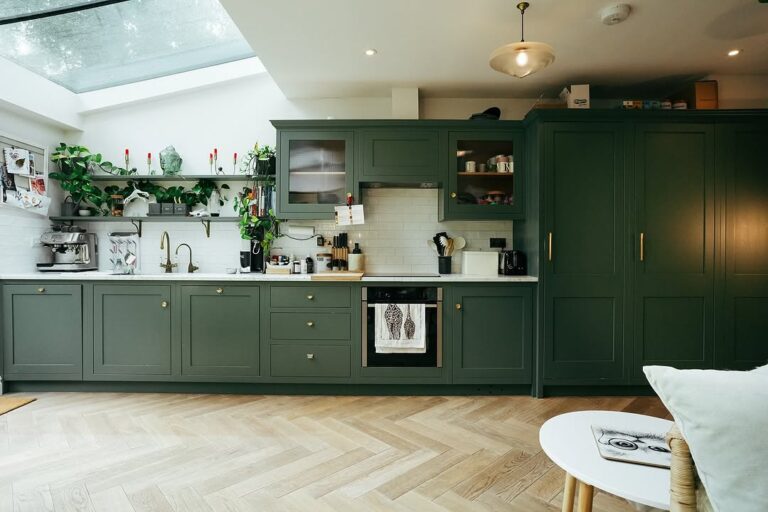
Discover how the right builder can turn complex London sites into profitable, high-quality projects for property developers.
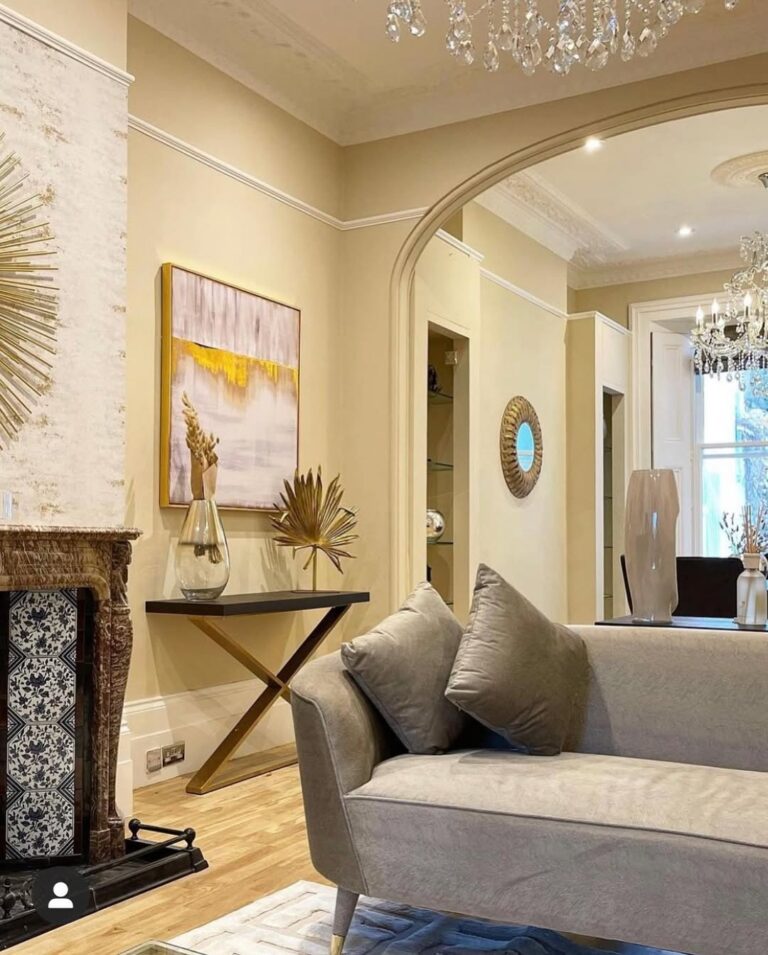
In this guide, Chelsea & Fulham Builders share what every investor should look for in a builder: transparency, technical precision, and an understanding of how design decisions impact long-term ROI.
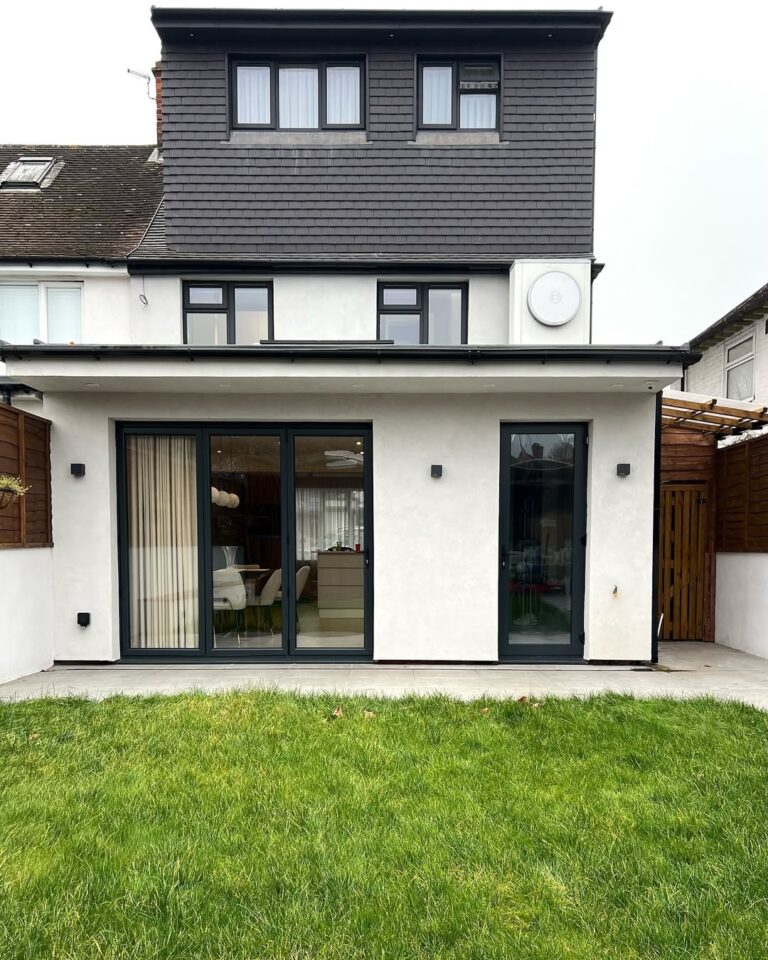
Architects need builders who understand design intent and deliver with precision. Discover what to expect from a trusted builder for architects – from technical accuracy to seamless collaboration.
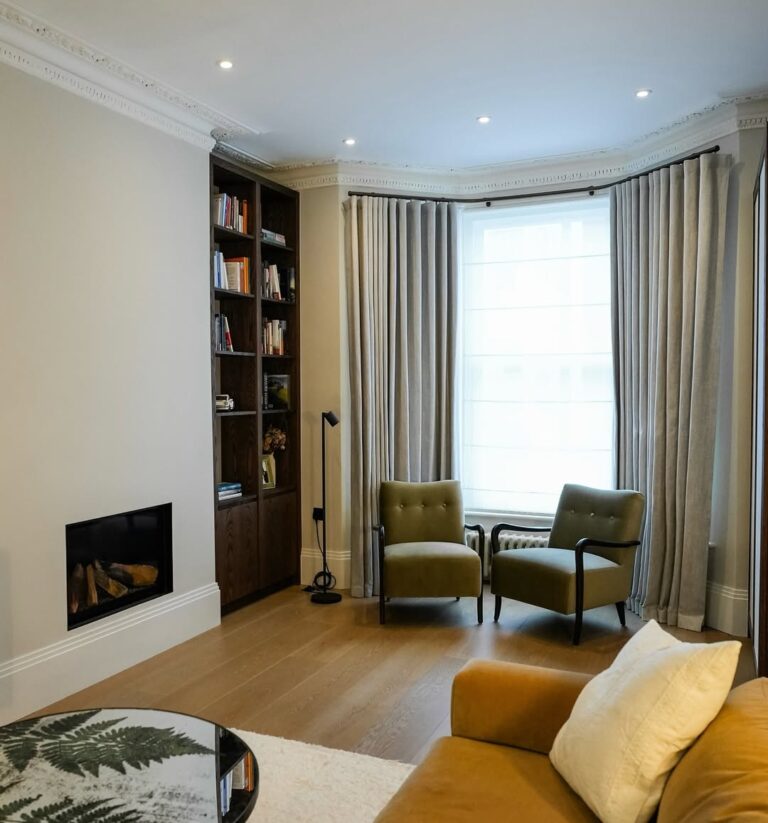
Chelsea & Fulham Builders share insights on what interior designers should expect from a building company and how to build lasting trust.