
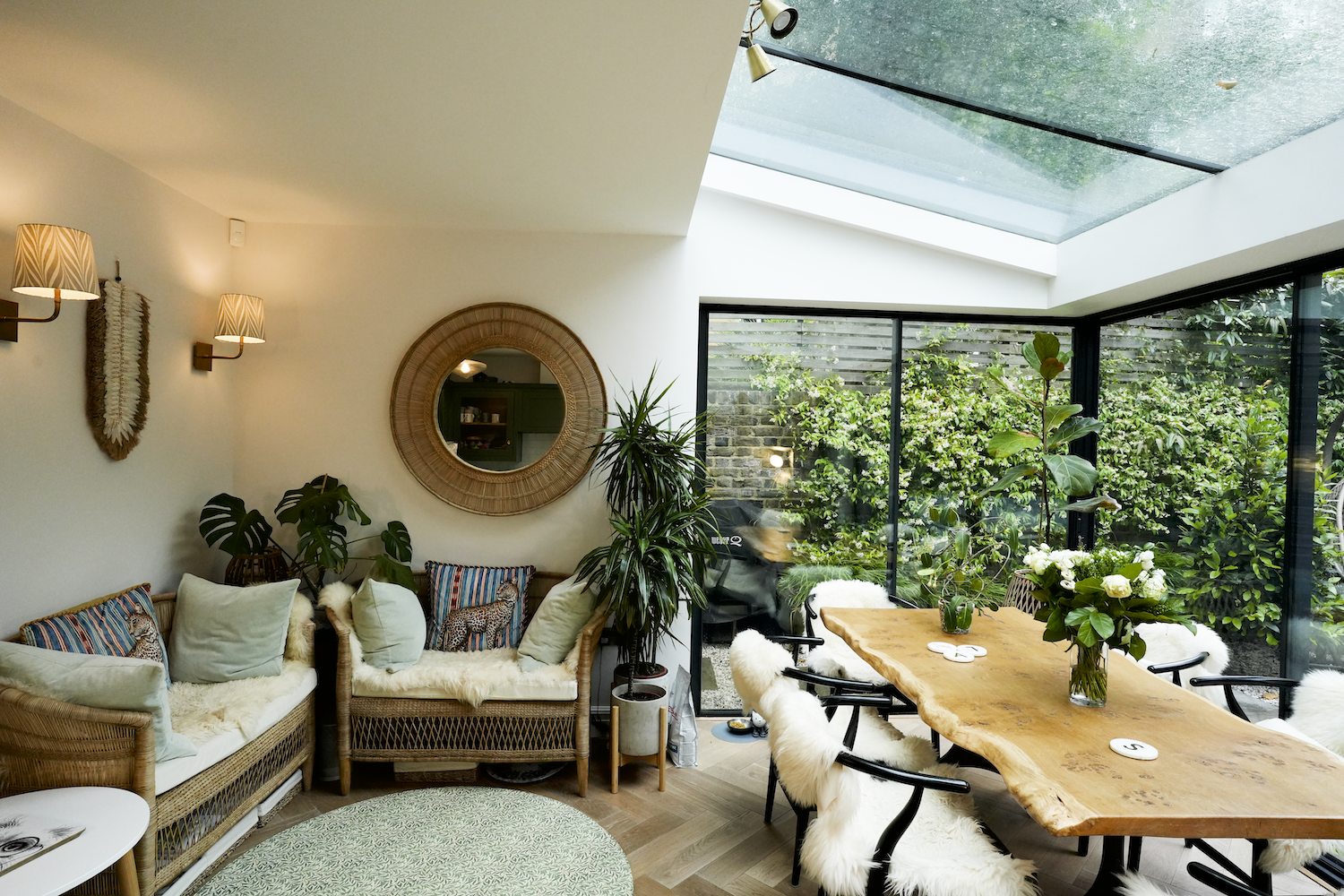
London home renovation costs vary widely because scope, property condition, access and finish level can change the budget significantly. A light refurbishment may sit at one end of the scale, while a full house renovation with structural works, services upgrades and high-quality finishes can become a much larger project.
In West London, there is another layer. Many homes are Victorian or Edwardian, access can be restricted, party wall matters are common, and expectations for workmanship and materials are high. This 2026 guide explains realistic renovation cost bands in London, what drives price for builders in Kensington, Chelsea, Fulham and Notting Hill, and how to build a reliable budget before you commit. It is written for homeowners planning a serious renovation, including period homes with hidden issues.
Quick Answer: How Much Does It Cost to Renovate a House in London?
As a broad 2026 guide, house renovation costs in London often sit within these ranges:
- Light refurbishment: often £30,000 to £100,000+ depending on size, condition and finishes
- Mid-level renovation: often £100,000 to £250,000+ where services upgrades, kitchens, bathrooms and some layout changes are involved
- Full house renovation with structural works: often £250,000 to £600,000+ depending on complexity, floor area, access and specification
- Cost per m² guide: commonly £1,500 to £4,000+ per m² in London, with higher costs for prime West London finishes and complex period homes
- Main cost drivers: structure, services, kitchens, bathrooms, damp, timber repairs, access, permissions, party wall processes and finish level
- First step for a reliable renovation budget: confirm the scope, investigate the property condition, then price against a clear specification
Typical House Renovation Costs in London in 2026

Renovation Cost Ranges by Scope
Every renovation is different, but most projects fall into one of three practical categories.
Light refurbishment usually includes redecorating, flooring, minor repairs, selective joinery, basic bathroom refreshes and limited electrical updates. This suits homes with sound structure and services, where no major layout changes are needed and the work is focused on improving appearance, comfort and finish.
Mid-level renovation usually includes kitchen and bathroom replacements, rewiring, plumbing upgrades, improved heating, some internal reconfiguration and higher-quality finishes. It may also involve addressing early signs of damp, timber issues or building fabric repairs where period homes have been neglected.
Full house renovation with structural works typically includes significant layout changes, steels, structural alterations, major services upgrades, extensive plastering, insulation decisions, kitchens, bathrooms, flooring, joinery and external works. In West London, this category also commonly involves party wall processes, longer lead times, conservation considerations and more complex sequencing to protect neighbouring properties.
House Renovation Cost Per Square Metre in London
Cost per square metre is useful at the early planning stage because it helps homeowners test feasibility before drawings and specifications are final. In London, renovation costs are often discussed as a broad range per m², but that range is wide because two homes of similar size can require very different levels of work.
A lighter refurbishment may sit closer to the lower end, while a period home renovation with structural alterations, upgraded services, bespoke joinery and premium finishes can sit much higher. Cost per m² becomes less reliable when the project includes high-cost elements that are not proportional to floor area, such as kitchens, bathrooms, structural works, basement works or specialist damp remediation.
Use cost per m² as a starting point, then move quickly to a scope-led and specification-led budget. That is the only reliable way to understand what your renovation will actually cost.
What Changes the Cost Most in West London Homes?

Period Property Realities That Drive Cost
Period property renovations in Chelsea, Fulham, Kensington and Notting Hill often carry hidden costs. Damp is common in lower ground floors and solid wall construction. Structural movement can show up in cracked plaster, sloping floors and tired joists. Services are frequently outdated, particularly electrics, plumbing and heating systems that have been patched over time.
Another cost driver is material compatibility. Traditional solid walls often require breathable solutions and correct plaster specification, rather than modern systems applied without thought. Getting this wrong can trap moisture and cause long-term damage. A careful diagnosis and the correct specification can feel more expensive initially, but it usually prevents repeat remedial work later.
Access, Logistics and Permissions
West London renovations can be affected by access constraints that do not exist in simpler projects elsewhere. Parking suspensions, restricted deliveries, narrow streets, working-hour limitations, shared access and neighbour sensitivity can all affect programme and cost. Party wall processes can also add professional fees and time. Scaffolding and site protection may be more complex, particularly where neighbouring properties and shared boundaries are sensitive.
Permissions and approvals also matter. Conservation areas, listed buildings and planning constraints are common across prime West London. Even where formal planning permission is not required, coordination, documentation and sequencing still affect programme. Delays cost money, so early planning is a direct cost-control tool.
Level of Finish and Material Specification
In prime West London, the expected level of finish is high. Homeowners often want durable, long-lasting materials that sit comfortably within the character of the building. That can mean higher-quality timber, proper joinery, stone, quality glazing, carefully detailed bathrooms and finishes that feel refined rather than generic.
This is where renovation budgets often drift. If allowances for kitchens, bathrooms, joinery, flooring, lighting and ironmongery are too low at the beginning, the true costs will appear later as variations. A clear specification does not just improve the outcome; it improves cost control.
The Most Expensive Parts of a London House Renovation

Structural Works and Layout Changes
Structural changes are often among the highest-cost elements of a house renovation because they require engineering input, careful sequencing and risk management. Knock-throughs, steel beams, alterations to load-bearing walls, floor strengthening and chimney breast alterations all add cost. In some properties, underpinning may be required, particularly where lower ground works, weak foundations or complex existing conditions are involved.
Structural costs rise further when access is restricted or neighbouring properties are close. The quality of temporary works, site management and compliance also matters. In West London, structural works are rarely the place to cut corners because mistakes can become expensive and disruptive very quickly.
Kitchens, Bathrooms and Mechanical Services
Kitchens and bathrooms are expensive not only because of finishes, but because they require careful services coordination. Plumbing, electrics, ventilation, waterproofing, tiling, joinery and installation all need to align. Mechanical, electrical and plumbing upgrades are also commonly underestimated. Rewiring, new consumer units, heating upgrades and improved hot water capacity can quickly become significant, especially in larger homes.
If you want a reliable renovation budget, these areas need realistic allowances early. You can refine the detail later, but the budget must still reflect the quality level you expect.
Basement Works and Moisture Management
Basement works are a distinct cost category and can materially change the overall renovation budget. Excavation, underpinning, structural waterproofing, drainage, sump systems and ventilation strategies require careful design and professional installation. Even without full excavation, moisture management and damp remediation can be a significant cost driver in older London homes.
If you are considering lower ground works, read our Basement Conversion service page. If damp is present or suspected, our Damp Proofing page outlines how we approach diagnosis and remediation in period and modern properties.
Example Renovation Budgets: What £50k, £150k and £300k Can Realistically Deliver in London

What £50k Can Cover
In London, £50k is often best viewed as a targeted improvement budget rather than a full renovation budget. Depending on the size and condition of the property, for builders in Chelsea, for example, this may cover redecorating, flooring, minor repairs and selective upgrades such as one bathroom refresh or limited electrical work.
For period homes with underlying issues, £50k rarely covers meaningful structural changes, a new kitchen, multiple bathrooms, and full services upgrades. If your home has damp, movement, tired services or requires permissions and professional input, you should assume that £50k will cover only a portion of the works.
What £150k Can Cover
A £150k renovation budget often allows a more serious scope, particularly in smaller homes or where the existing condition is reasonable. It may include a kitchen and bathroom replacement, partial rewiring, plumbing upgrades, improved heating, some reconfiguration and a stronger level of finish.
However, in prime West London, finishes and joinery choices can quickly absorb budget. If structural alterations are extensive, or if the property needs significant remedial work, £150k may still be constrained. The key is to define the scope clearly and set realistic allowances for the parts of the project that drive cost.
What £300k+ Can Cover
Budgets of £300k and above are typically where full structural renovations become more achievable, particularly in West London where expectations are high. This may include major layout changes, structural works, comprehensive services upgrades, premium finishes, bespoke joinery, kitchens, bathrooms and external works. Depending on site constraints and scope, it may also involve basement elements or deeper remediation such as damp-proofing works integrated into the programme.
Budgets vary significantly based on floor area, access, planning constraints and specification. Two homes of similar size can differ greatly if one is a well-maintained property and the other has long-standing damp, structural movement or poor historical alterations.
How to Build a Reliable Renovation Budget
Start With Investigation and Diagnosis
The most cost-effective step you can take is to understand the condition of the building before you price the project. Surveys, opening up and targeted investigation often reveal what is really driving risk. In period homes, this includes checking joists, assessing damp, reviewing services and understanding how the building fabric behaves. If structural changes are planned, early structural input helps avoid redesign and rework.
A reliable renovation budget comes from understanding what must be fixed, not just what you want to change.
Set Allowances Correctly
Most budgets fail because the allowances were unrealistic. Kitchens, bathrooms, joinery, flooring, tiles, lighting, ironmongery and external works need sensible figures based on the quality level you want. If you want a high-end look with durable materials that suit the building character, the allowances must reflect that from day one.
A good contractor can help set realistic allowances based on the project type and the local market. This makes the final scope clearer and prevents surprises later.
Allow for Contingency and Programme Risk
Contingency is not pessimism; it is realism. Period homes typically require a higher contingency because hidden issues are more common. Access constraints, party wall processes, approvals and lead times can also extend the programme. Longer programmes increase costs, so risk management and scheduling are part of cost control.
As a general approach, serious renovations should carry a contingency allowance that reflects the complexity of the property. The right level depends on condition and scope, but it should always be considered in planning.
West London Cost Factors: Chelsea, Fulham, Kensington, and Notting Hill

What We See Most Often in These Postcodes
In these areas, renovations often involve Victorian terraces, period conversions, garden flats, mansion block apartments and larger townhouses. Party walls are common and access can be restricted. Many properties have been altered over time, which means uncovering earlier work is part of the process. Damp and moisture management are frequent issues, particularly in lower ground floors and solid wall construction.
If your property is Victorian or Edwardian, our Period Property Renovation page explains how we approach structure, fabric, and heritage sensitivity.
For homeowners planning a renovation or property refurbishment in Kensington, the contractor’s local experience can make a meaningful difference. Period homes, mansion block apartments, shared access, conservation sensitivities and high finish expectations all need careful coordination. If you are comparing local options, our Builders in Kensington page explains how we manage residential renovation, refurbishment, structural works and site logistics in this part of West London.
How to Avoid Costly Delays
Delays are often avoidable when the process is disciplined. Confirm the scope early. Address permissions, party wall matters and neighbour considerations before the build begins. Lock down lead times for key items. Plan access and logistics. Ensure the specification is clear enough that you are not making major decisions mid-build.
How to Get an Accurate Quote for Your Home

What Information a Contractor Needs
Accurate pricing requires clarity. At a minimum, a contractor needs drawings where available, a defined scope, your intended specification level, access constraints, preferred programme and any known issues such as damp, structural movement or outdated services. Photographs and survey information also help. If you have not decided on finishes, allowances can be used, but they need to be realistic.
The more defined the brief, the more reliable the quote.
What a Good Renovation Quote Should Include
A good renovation quote should be clear, structured and honest about assumptions. It should include a breakdown of major cost areas, what is included, what is excluded, any provisional sums and an outline programme. It should also set expectations around lead times, sequencing and likely decision points.
For serious West London renovations, a specification-led quote is usually the most reliable because it reduces ambiguity.
FAQs
How much does it cost to renovate a house in London?
House renovation costs in London depend on the scope, the size of the property, the condition of the building and the level of finish required. Light refurbishment may be feasible at lower budgets, but full renovations with structural works, services upgrades and premium finishes can be substantially higher. In West London, access constraints and period property conditions often increase cost compared with simpler projects elsewhere. The most reliable approach is to confirm scope, investigate condition and price to a clear specification.
How much does a full house renovation cost in London?
A full house renovation in London can vary significantly, but projects involving structural alterations, full services upgrades, kitchens, bathrooms, plastering, flooring, joinery and high-quality finishes often move well beyond a light refurbishment budget. The final cost depends on floor area, property condition, access, specification and whether the home is a period property with hidden issues.
What is the average house renovation cost per m² in London?
As a broad guide, London renovation costs are often discussed between £1,500 and £4,000+ per m², depending on the scope and finish level. Lighter refurbishments may sit lower, while structural renovations, period homes, basement works, bespoke joinery and prime West London finishes can sit higher. Cost per m² is useful early on, but a scope-led quote is more reliable.
Is £50k enough to renovate a house in the UK, and what about London?
In many parts of the UK, £50k can cover meaningful improvements. In London, it usually covers targeted works rather than a full renovation. It may be sufficient for redecorating, flooring and selective upgrades, but it rarely covers multiple bathrooms, a new kitchen, significant services upgrades and structural changes. In West London period homes, underlying issues such as damp and ageing services often mean £50k is only part of a wider budget.
What is a realistic budget for a period home renovation in West London?
A realistic budget for a period home depends on the condition and the scale of change. Period homes often require additional work for damp remediation, structural strengthening, timber repairs and correct material specification. If you are upgrading services and finishes to a high standard, allowances need to reflect the quality level. A condition-led assessment and a clear scope are essential before setting a reliable budget.
What is the most expensive part of a house renovation?
The most expensive elements are typically structural works, kitchens, bathrooms and services upgrades. Structural alterations require engineering and careful sequencing. Kitchens and bathrooms combine finishes with complex mechanical and electrical work. Services upgrades can be significant, especially in larger homes with outdated systems. Basement works and moisture management can also materially change the overall cost where applicable.
In what order should you renovate a house?
A controlled renovation sequence typically begins with investigation and design, then structural and remedial works, followed by first fix services, plastering, second fix, finishes and handover. In period homes, addressing damp, timber condition and structural issues early reduces risk later. Proper sequencing also helps control cost by preventing rework and reducing delays.
How can I reduce renovation costs without compromising quality or character?
The most effective way to reduce costs is to control scope and make decisions early. Keep structural changes purposeful. Prioritise building health first, then allocate budget to the elements that matter most for performance and longevity. Use realistic allowances for kitchens, bathrooms and finishes. In period homes, avoid short-term fixes that trap moisture or damage the building fabric. A specification-led plan usually saves money because it reduces variations and rework.
Why do period property renovations often cost more?
Period property renovations often cost more because older buildings are less predictable. Damp, timber decay, outdated services, previous alterations, conservation considerations and the need for compatible materials can all increase complexity. The work also needs to be handled carefully so the home is improved without damaging the character, proportions or building fabric that give it value.
Author: Written by Renis Gjoka, Director of Chelsea & Fulham Builders, a Federation of Master Builders accredited company specialising in high-end renovations, refurbishments, and extensions across London.
Read our next article
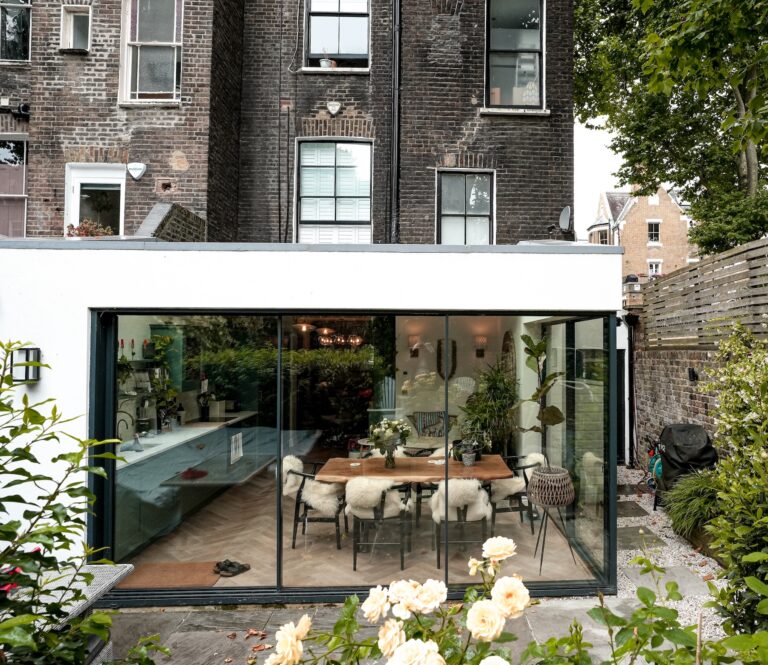
In most house renovations, the kitchen is often the biggest single cost. But in West London period homes, structural changes, damp, timber repairs and full services upgrades can quickly overtake any one room. This guide explains where renovation budgets really go, so you can plan with more clarity and fewer surprises.

£50k can go a long way in the right circumstances, but in London it is usually a partial renovation budget, not a full one. This guide explains what £50k can realistically cover, where budgets often fall short, and how to plan wisely before costs start climbing.

Not sure what comes first in a house renovation? This step-by-step guide covers the right sequence, helping you avoid common mistakes, protect finished work and keep your project moving logically from start to finish.

Renovating a Victorian, Edwardian or Georgian home in West London needs a different approach to a modern property. Hidden damp, ageing structure and outdated services can quickly affect cost and timing. This guide explains how to renovate a period home properly while protecting its character.
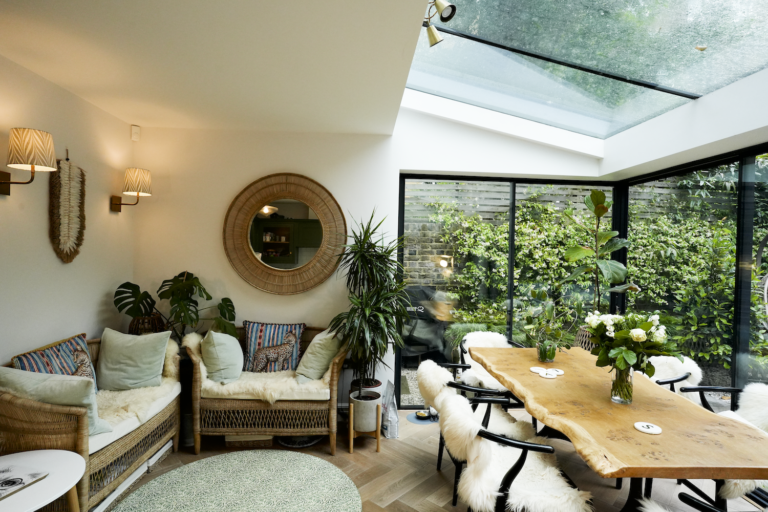
A practical 2026 guide to London house renovation costs, including realistic budget ranges, cost drivers, and West London period home considerations.
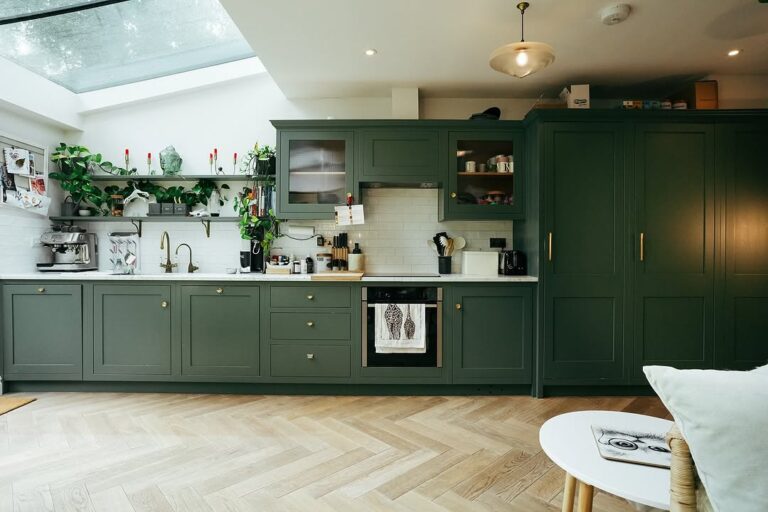
Discover how the right builder can turn complex London sites into profitable, high-quality projects for property developers.

In this guide, Chelsea & Fulham Builders share what every investor should look for in a builder: transparency, technical precision, and an understanding of how design decisions impact long-term ROI.
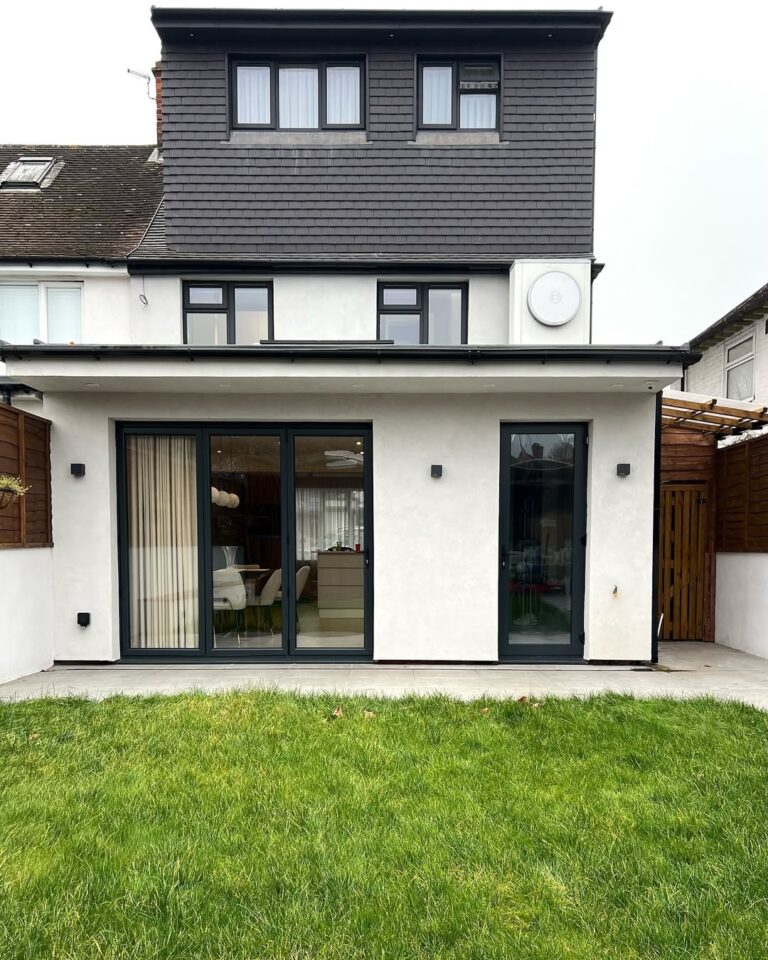
Architects need builders who understand design intent and deliver with precision. Discover what to expect from a trusted builder for architects – from technical accuracy to seamless collaboration.
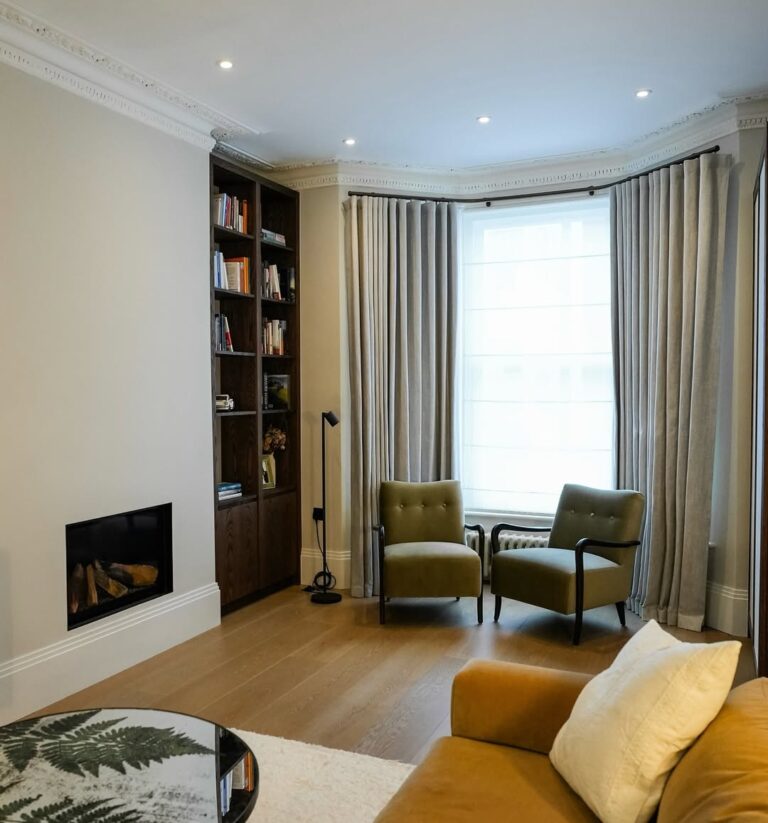
Chelsea & Fulham Builders share insights on what interior designers should expect from a building company and how to build lasting trust.